Celebrating 75 Years of the Peak District National Park
On 17th April 2026, the Peak District National Park turns 75. That feels like a moment worth pausing for - not just to celebrate the landscapes we love, but to reflect on how and why they exist.
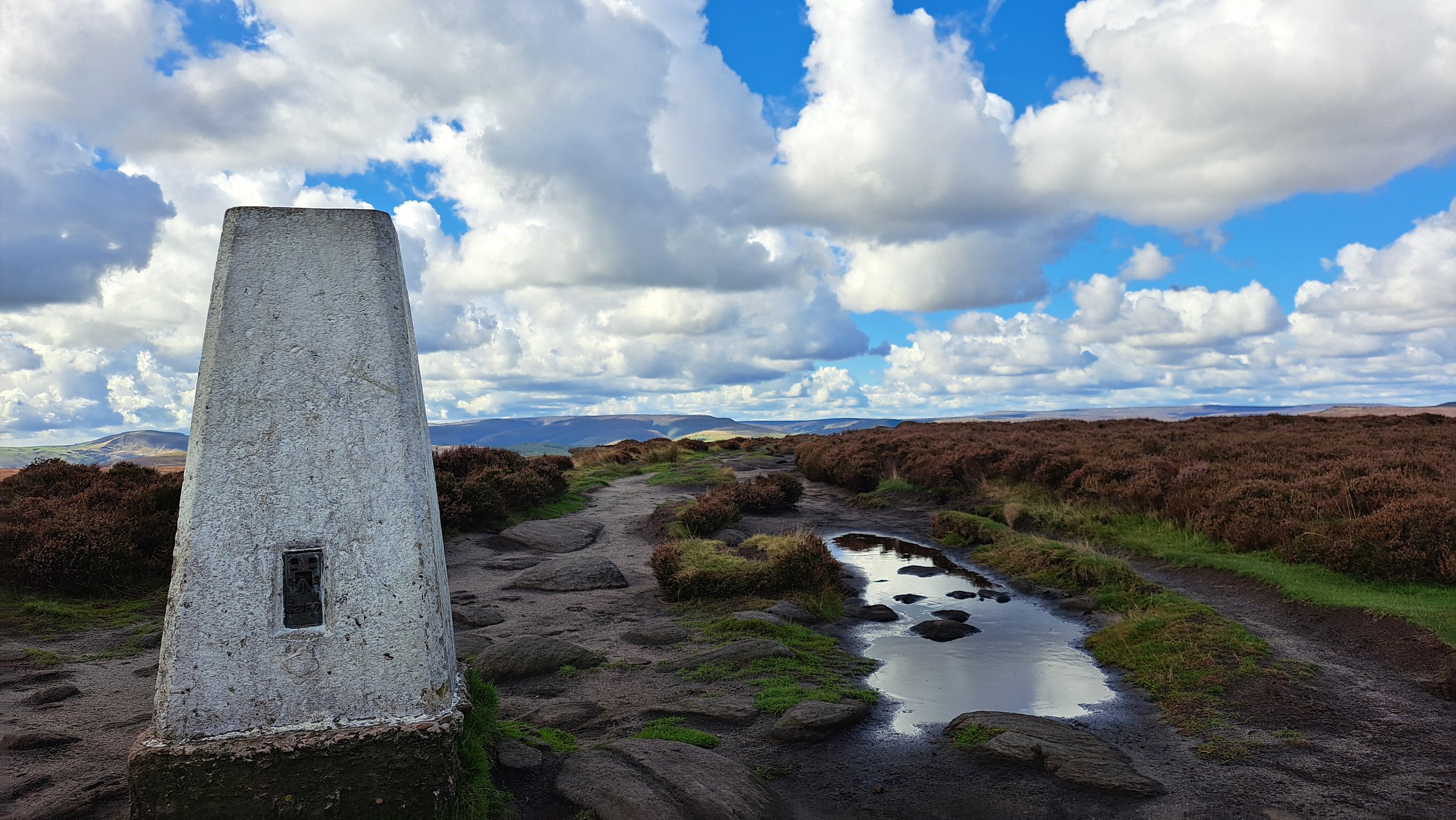
For 75 years, the Peak District has offered people space to breathe, wander and belong - a landscape shaped by people who care enough to protect it.
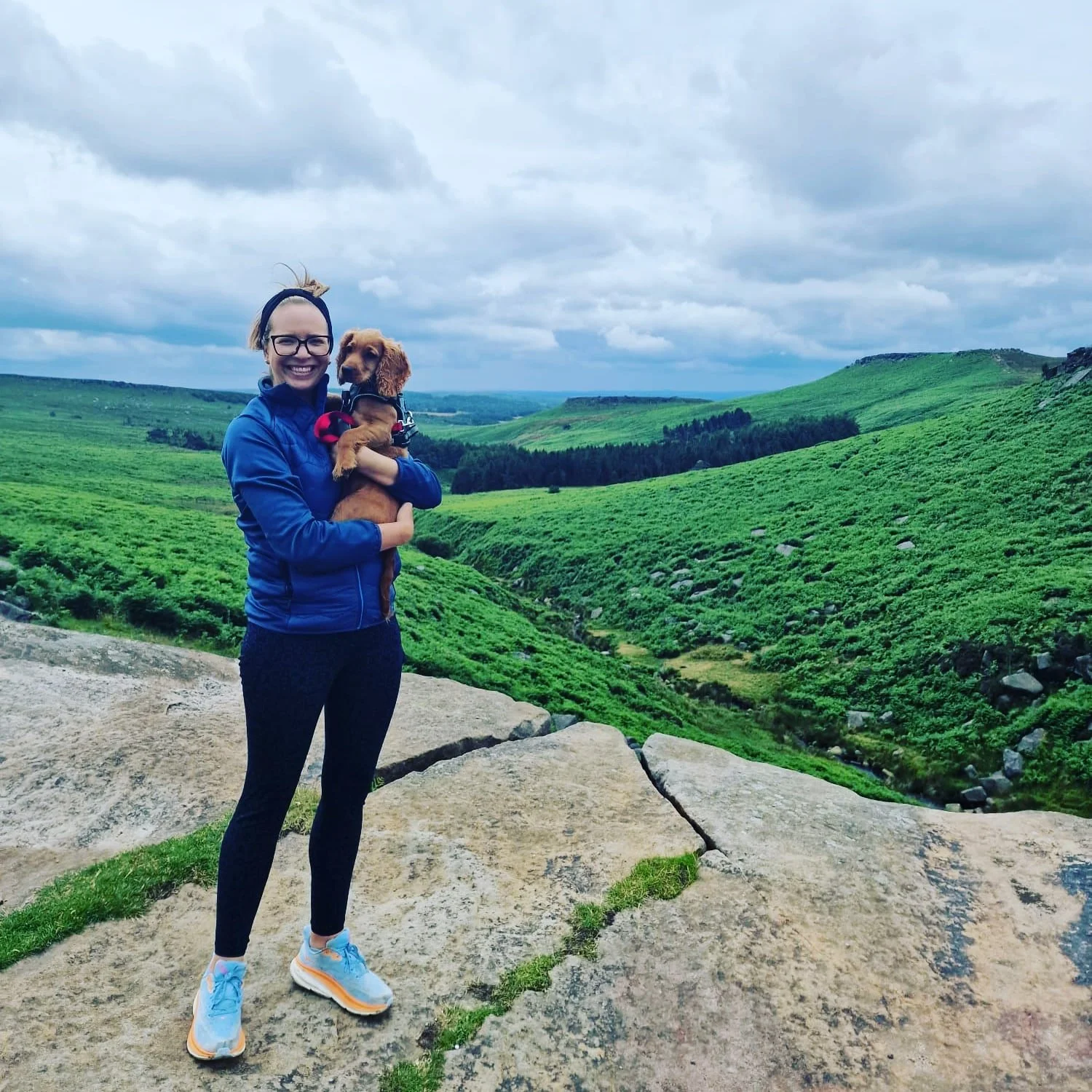
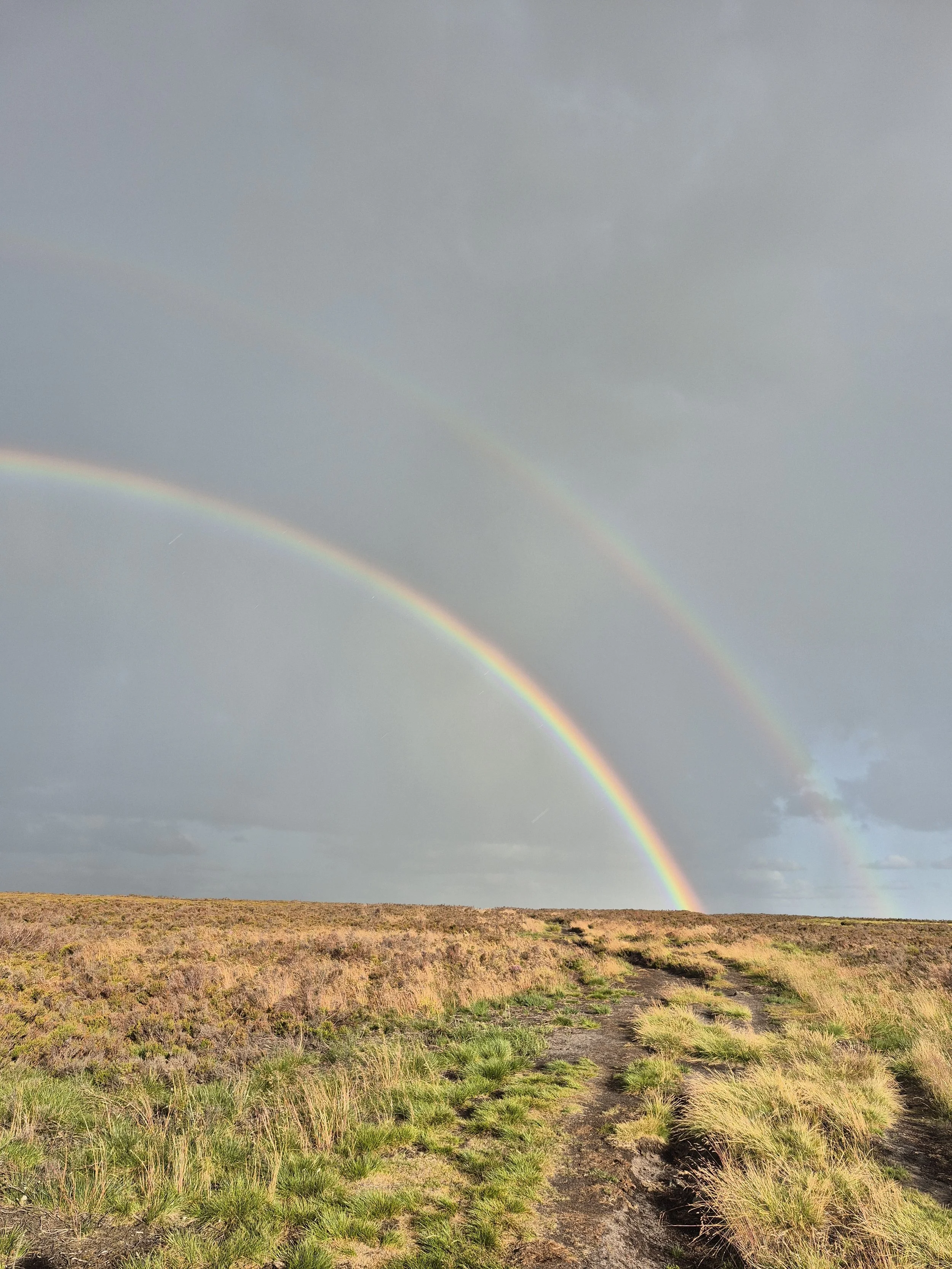
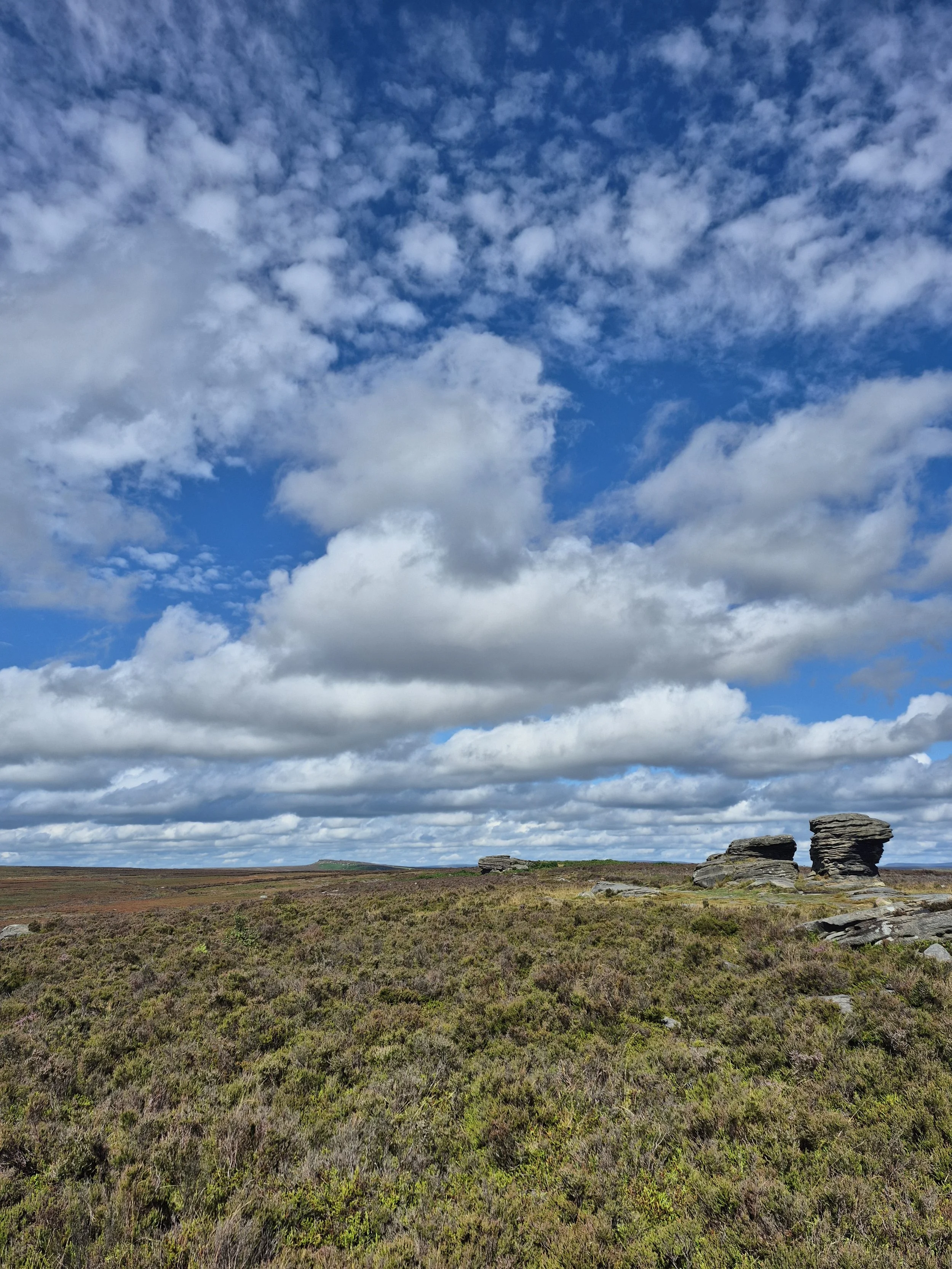
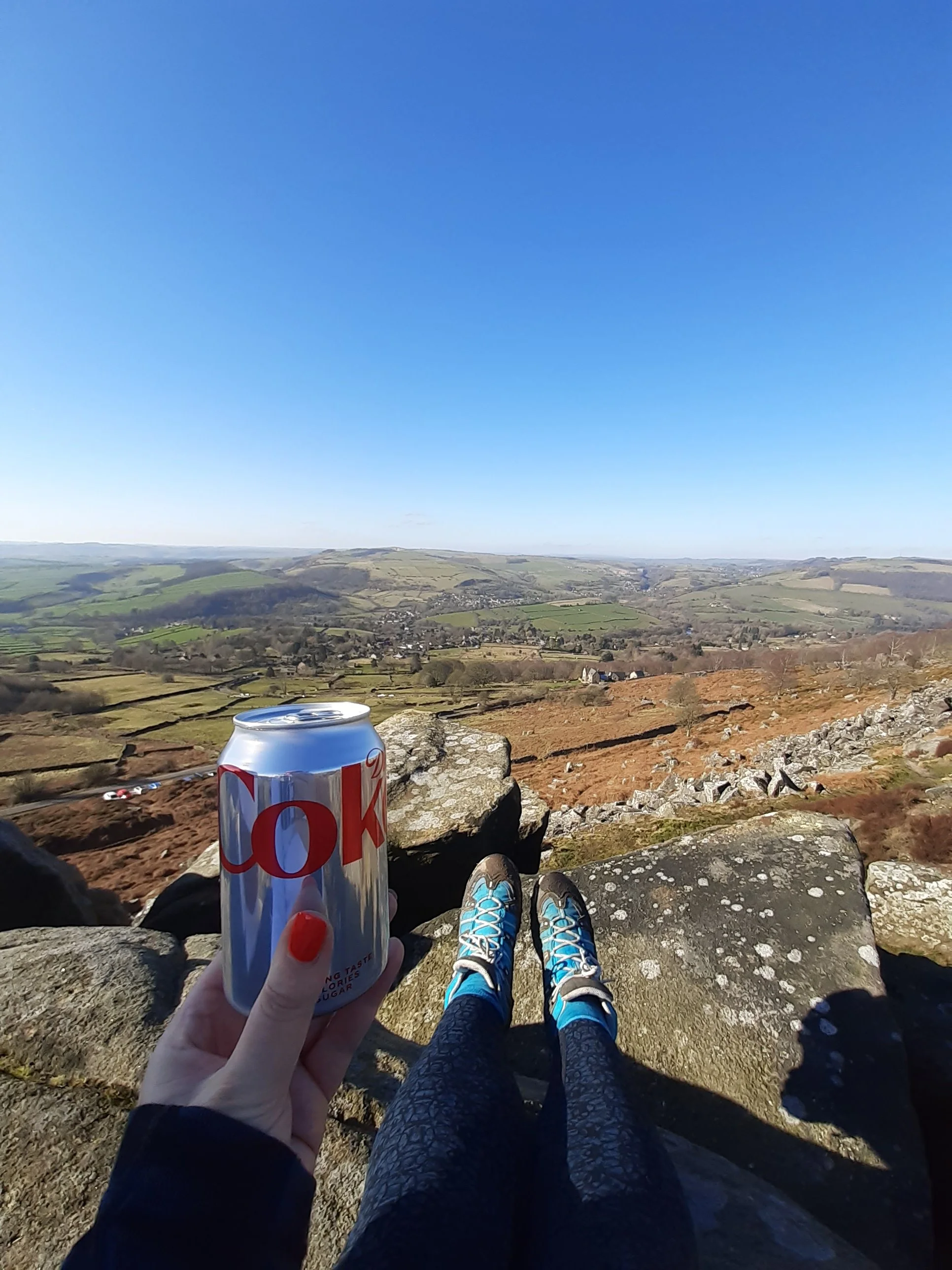
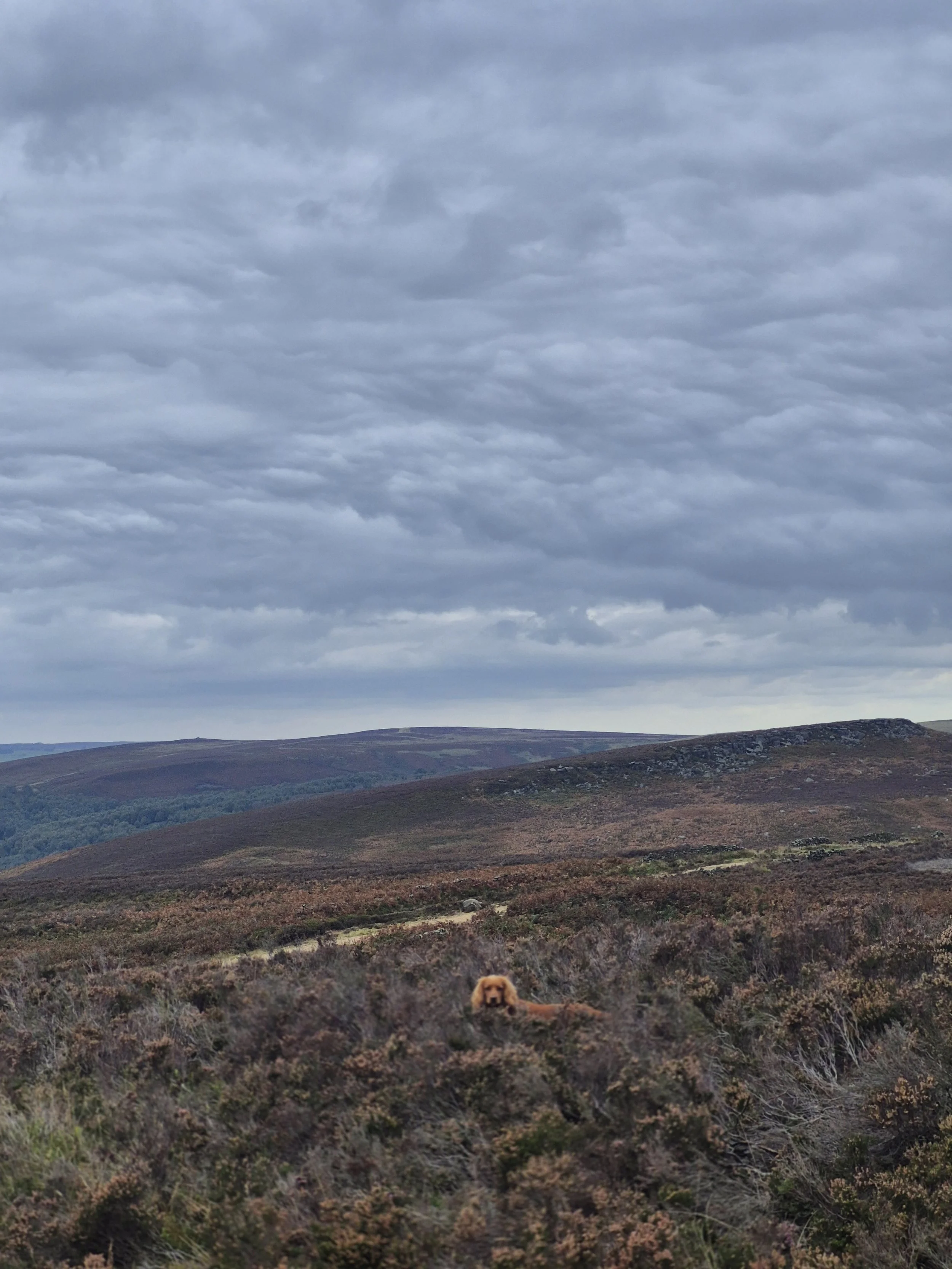
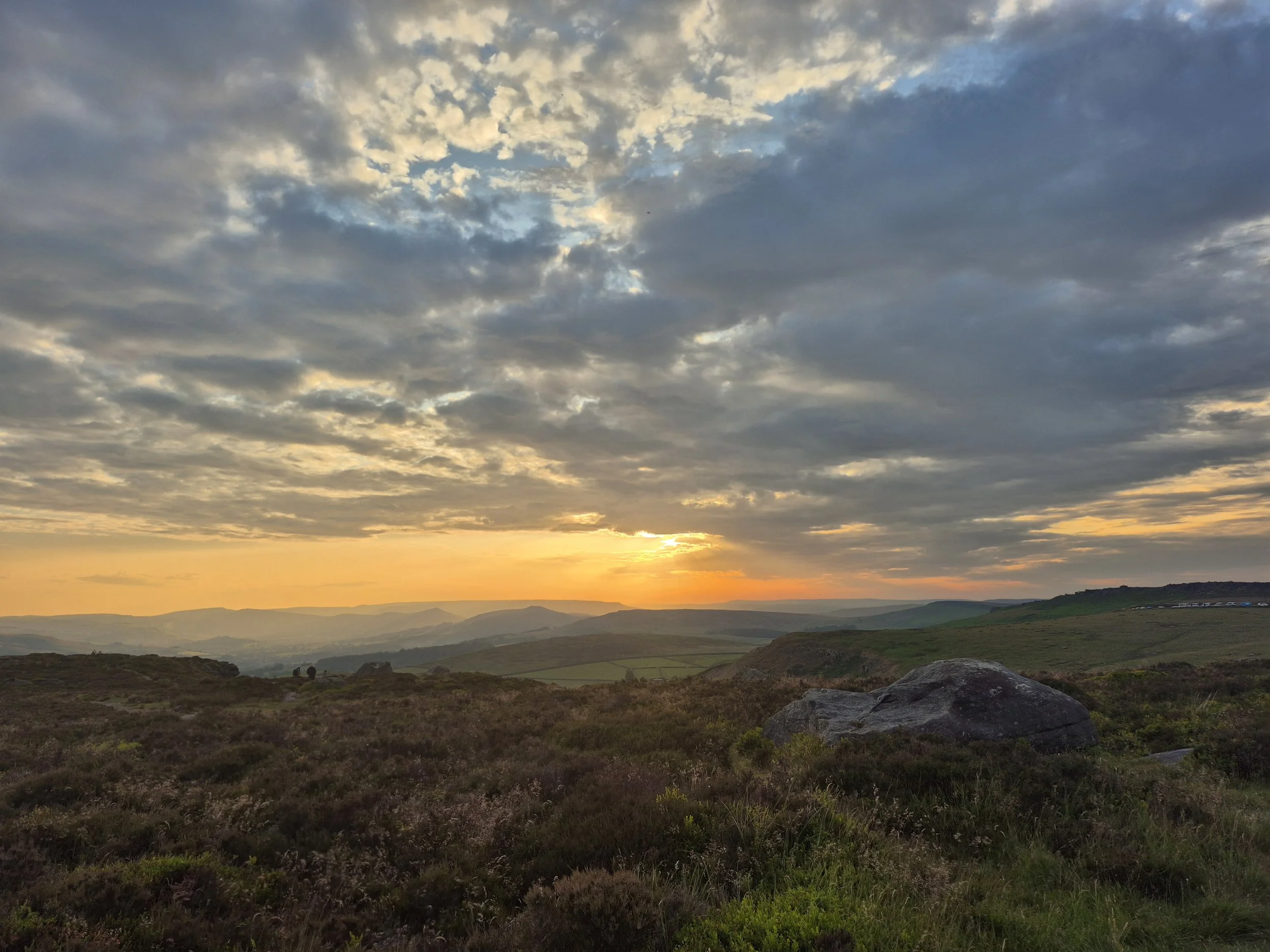
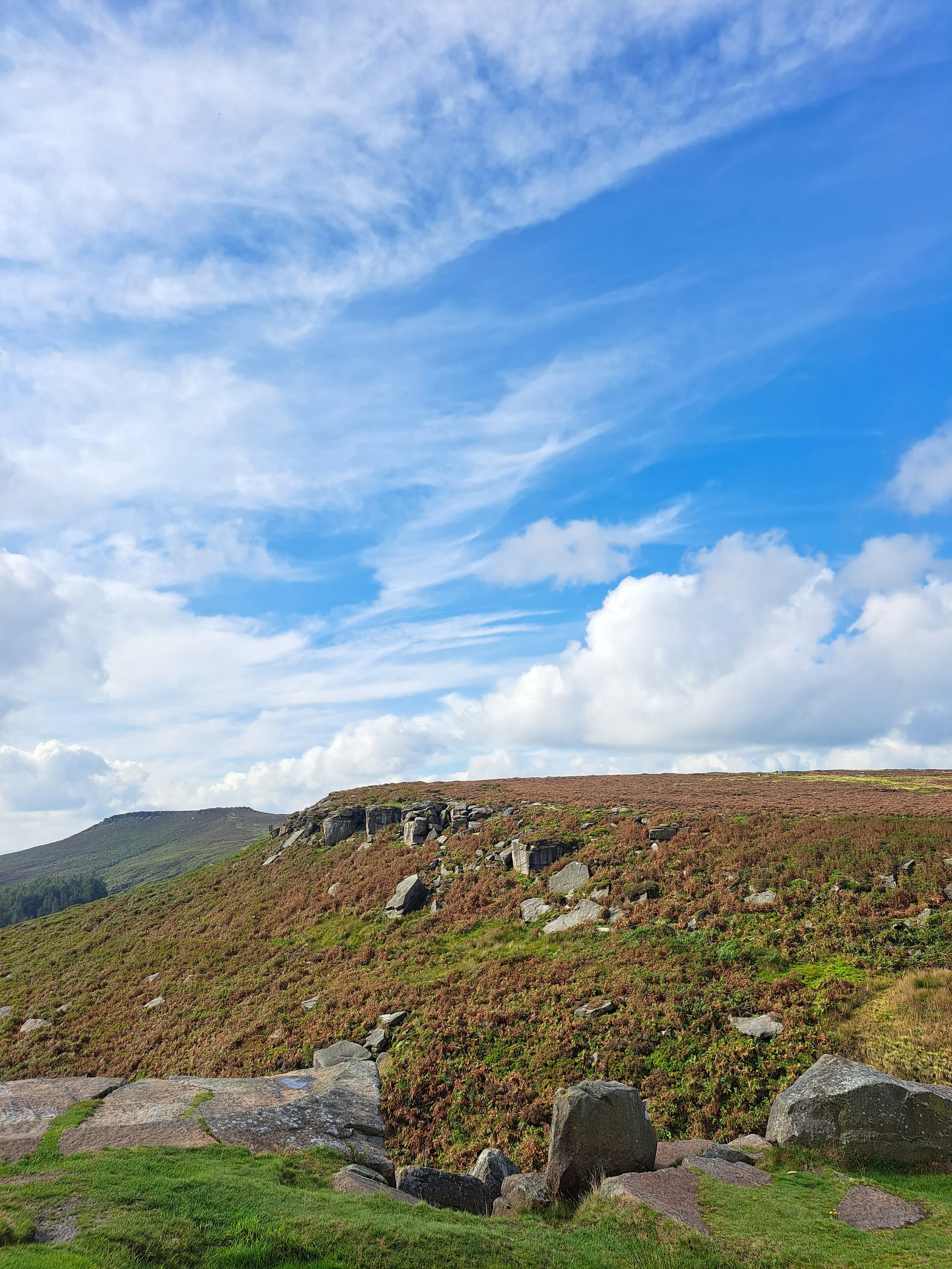
As Britain’s first National Park, the Peak District is so much more than dramatic edges, rolling moorland and limestone dales. It is a living symbol of a hard‑won belief: that beautiful landscapes should be accessible to everyone, not only the privileged few. I’m someone who benefits from that belief every single week.
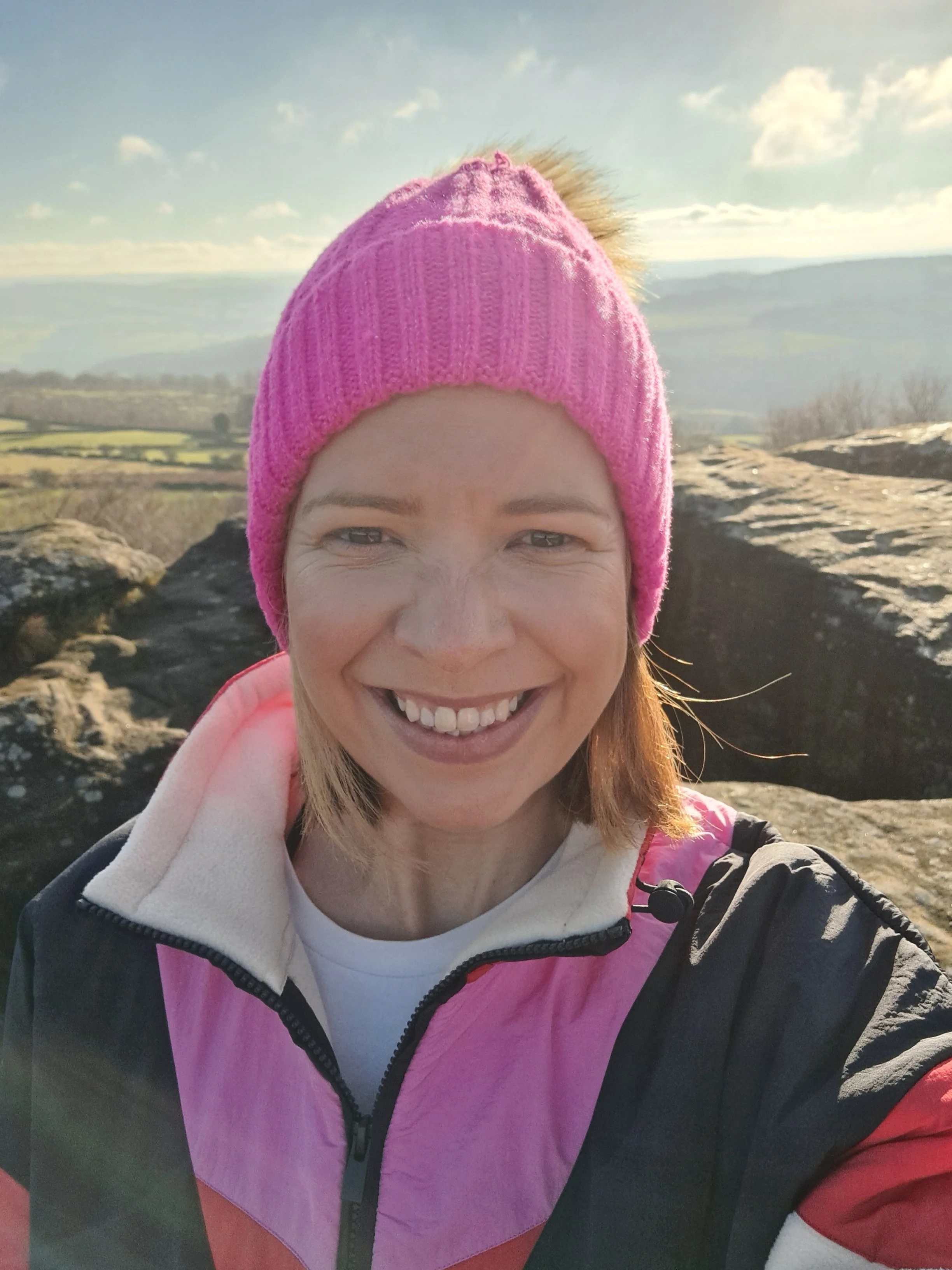
Living in Sheffield, the Peak District isn’t an occasional escape - it’s part of my daily life. Within minutes of the city I can be in Burbage Valley at dawn, or walking along Birchen Edge with my cocker spaniel, clearing my head far better than any screen ever could.
The fact that I can step so easily from city streets into open countryside isn’t something I take for granted. It exists because people before us believed access to the countryside mattered - and they were prepared to campaign for it.
Why Were National Parks Formed?
National parks in England didn’t appear by accident. They came out of a growing recognition that countryside access should belong to everyone.
In the early 20th century, much of England’s countryside was privately owned and beyond the reach of ordinary people. For industrial cities such as Sheffield, the surrounding hills were always in sight but often out of bounds. Figures like Patrick Abercrombie, a leading planner and prominent voice within the Campaign to Protect Rural England (CPRE), were particularly concerned about this. He argued that people living in industrial towns and cities needed access to unspoilt countryside close to where they lived, recognising its importance for health, wellbeing and quality of life.
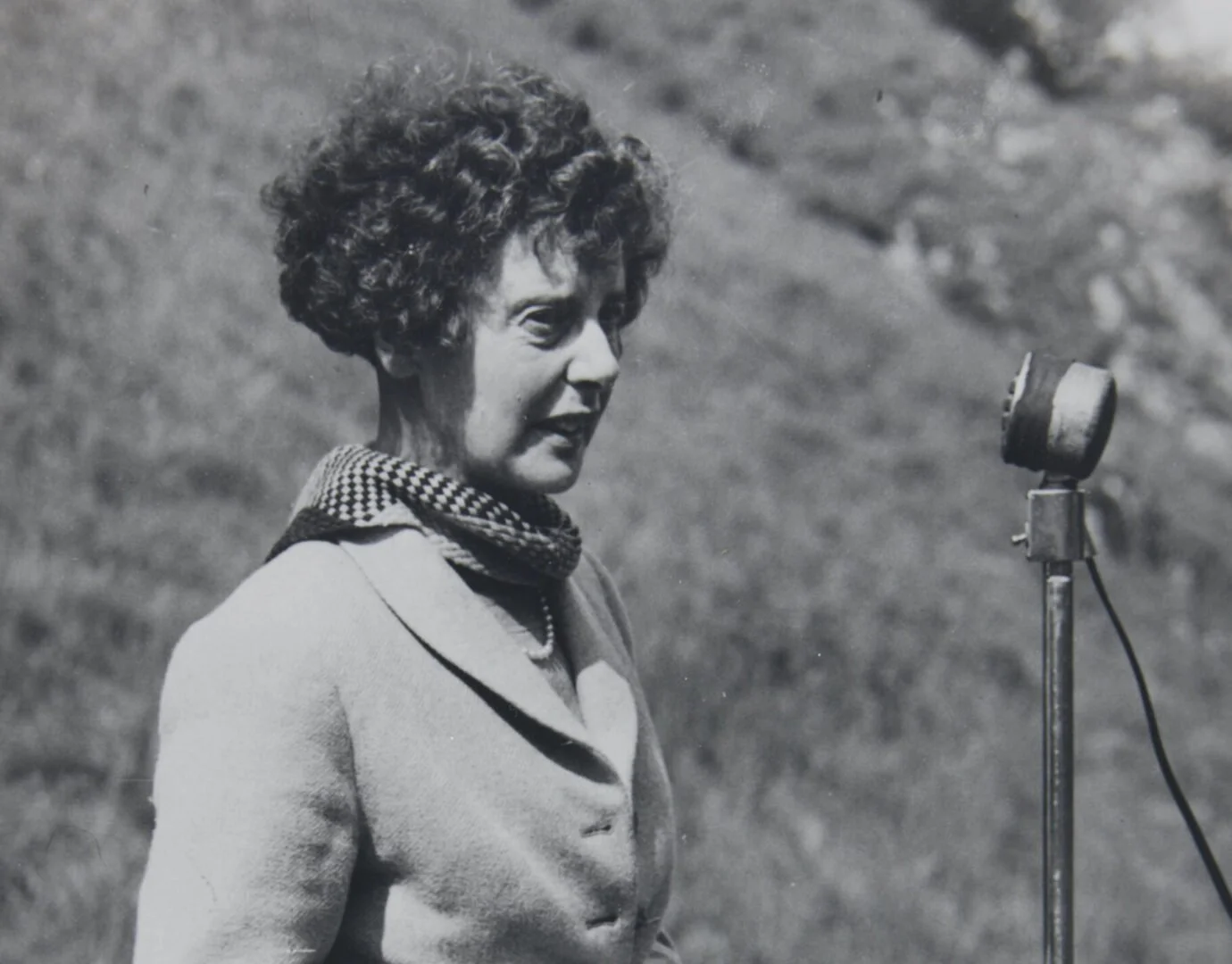
Protest played a role - most famously the Kinder Scout Mass Trespass of 1932 - but long‑term campaigning was just as important. One of the most significant figures in that movement locally was Ethel Haythornthwaite, a Sheffield‑based campaigner whose work through the CPRE network helped shape the very idea of national parks.
Ethel believed deeply that countryside protection and public access should go hand in hand - that landscapes should be cared for, not locked away. Her influence, alongside that of many others, helped lead to the National Parks and Access to the Countryside Act of 1949, and on 17th April 1951 the Peak District became the UK’s first National Park.
Photo: Ethel founded the local campaign group CPRE Peak District & South Yorkshire and led campaigns to save places like Longshaw from development. She’s pictured here addressing a 1930s mass rally in support of National Parks.
Credit: CPRE Peak District & South Yorkshire
National Parks in the UK were created in the aftermath of the Second World War, driven by a growing recognition that the nation’s landscapes should be protected and made accessible for everyone.
After the Second World War, there was a real shift in how people thought about the countryside. It wasn’t just something to admire from a distance. It was seen as vital to everyday life, wellbeing and national identity. There was also growing concern that some of the UK’s most special landscapes were under threat and that access to them wasn’t equal.
In response, the National Parks and Access to the Countryside Act of 1949 was passed. This landmark law made it possible to protect important landscapes while also opening them up so everyone could enjoy them.
As a result, National Parks were created to:
Protect natural beauty, wildlife and cultural heritage
Enable public access and enjoyment
Sustain the communities who live and work within these landscapes
From the very beginning, National Parks were never meant to be untouched wildernesses. They were designed as living, working landscapes shaped by people and nature thriving together.
The Peak District today
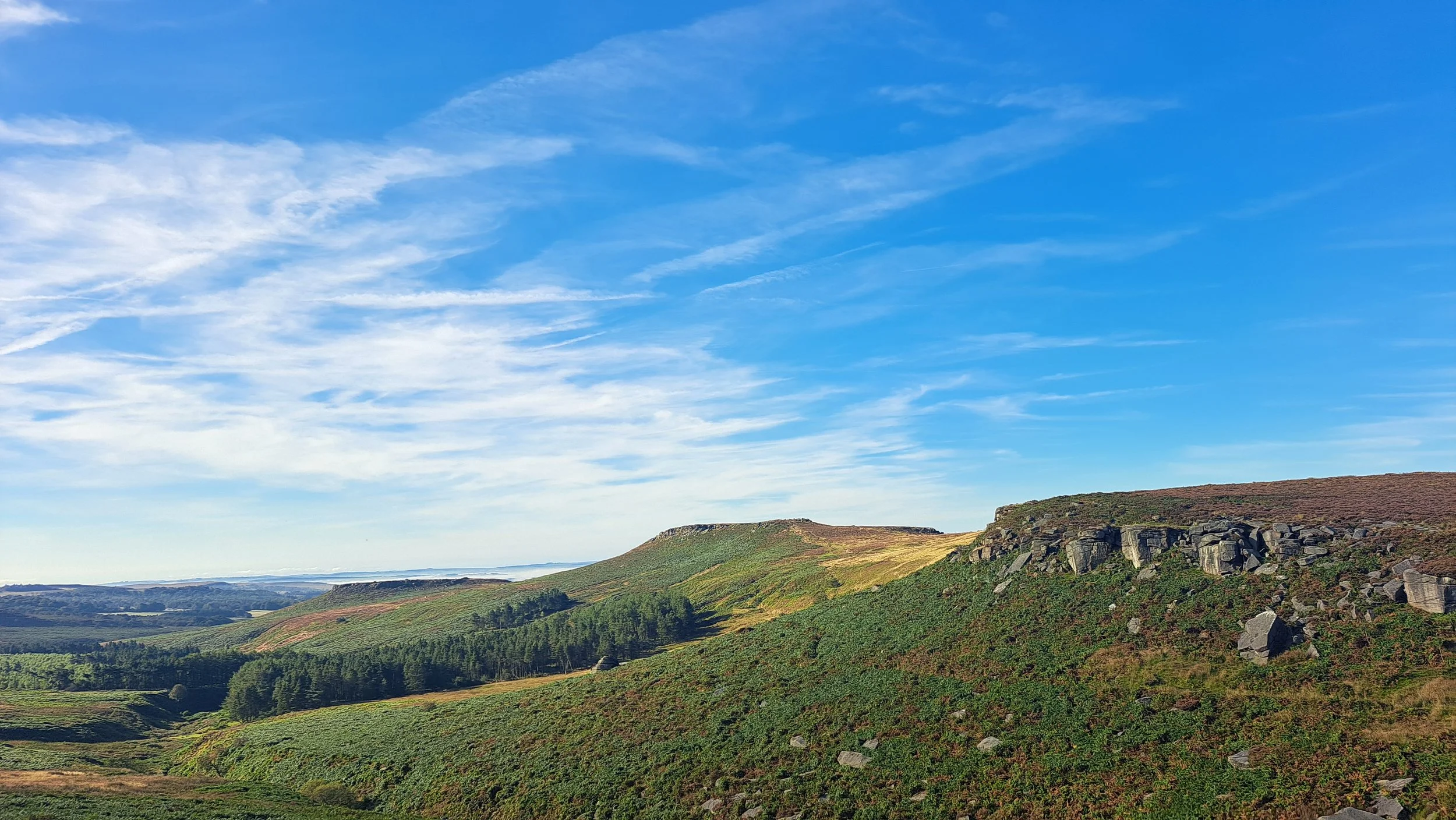
Seventy five years on, the Peak District is one of the most visited National Parks in Europe, welcoming millions of visitors every year. They come in countless ways: walking familiar paths or discovering new ones, running across moorland edges, cycling winding lanes, climbing gritstone, picnicking with friends or simply finding a quiet place to pause. From everyday dog walks to challenges like The Ethels, which invites people to explore the Peak District’s highest hilltops and retrace Ethel Haythornthwaite’s footsteps, the landscape is a place to be used, enjoyed and returned to.
Its closeness to major urban centres such as Manchester and Sheffield remains one of its greatest strengths. The Peak District shows that nature doesn’t have to be distant or special‑occasion only; it can be part of everyday life, supporting physical health, mental wellbeing, creativity and a strong sense of community.
But popularity and proximity also bring pressure.
Climate change, biodiversity loss, housing affordability, funding constraints and the challenge of balancing access with protection all demand careful, long‑term management. Peatlands need restoring, paths need maintaining, wildlife needs space, and local communities need supporting.
Enjoying the Peak District comes with responsibility: to care for it, speak up for it, and ensure it continues to thrive for the next 75 years and beyond.
National Parks are the result of constant, collective effort. Behind the scenes, a huge number of people are actively working to protect the Peak District - organisations like CPRE PDSY, the Eastern Moors Partnership, Campaign for National Parks, the National Trust and Peak District National Park Authority. It’s proof that these landscapes don’t preserve themselves; they are delicately managed for the benefit of all.
Of course, there are practical ways we can all help. Organisations can support conservation through partnerships, volunteering and regeneration projects such as tree planting and peatland restoration. Those of us who live nearby or visit regularly can contribute through everyday responsibility: travelling considerately, caring for paths and habitats, leaving no trace and respecting how the land is used.
Simple actions, taken collectively, make a real difference.
So, as the Peak District National Park marks its 75th anniversary, it’s both a celebration of decades of collective care and an important reminder that protection is an ongoing act which is essential if people are to continue enjoying these landscapes and nature is to thrive long into the future.